Cabinetmakers in Nordsjælland since 1961
One oak.
The kitchen, the dining table and the chairs for one house, made from a single Danish oak you choose standing.
Scroll to follow Oak No. 0419
Most houses are furnished from a thousand trees. Yours will be made from one: its kitchen, its table, its chairs, sawn in sequence, so the grain runs through the house.
01 The oak
Chosen standing.
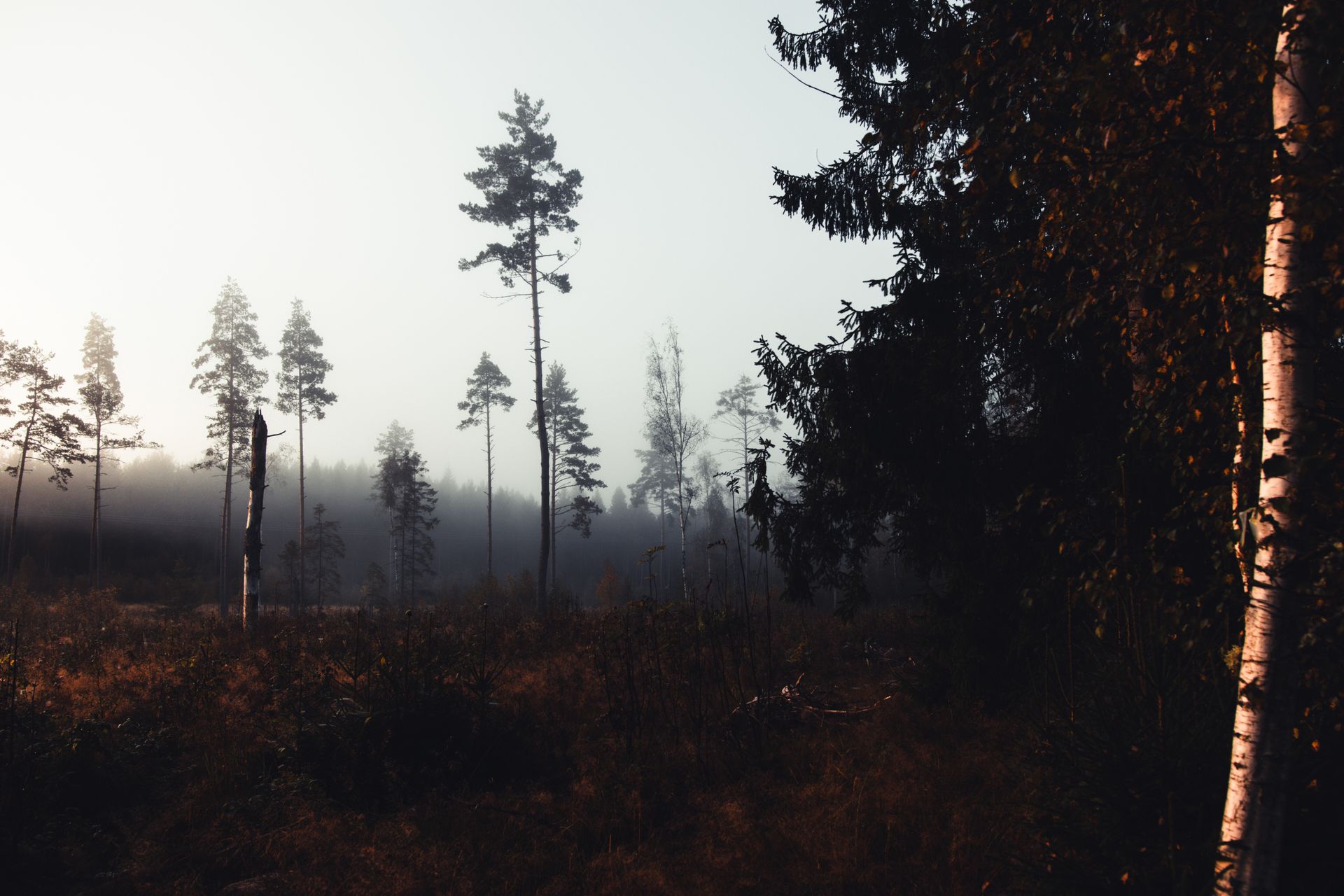
Every commission begins in a forest in winter. You walk it with our forester and choose the tree yourself. We fell it in February, when the sap is down, and from that morning it belongs to your house.
- Tree
- Oak No. 0419, Quercus robur
- Forest
- Gribskov, Nordsjælland
- Planted
- around 1826
- Rings
- 198
- Height
- 31 m
- Felled
- 11 February 2025
- Household
- Frederiksberg, Copenhagen
02 The cut
Sawn in one morning.
The log goes through the saw once, top to bottom, into fourteen boards 86 millimetres thick. Nothing is sorted, graded or sold on. The household is welcome at the mill.
- 14
- 13
- 12
- 11
- 10
- 09
- 08
- 07
- 06
- 05
- 04
- 03
- 02
- 01
03 The boule
Stacked back in the order it grew.
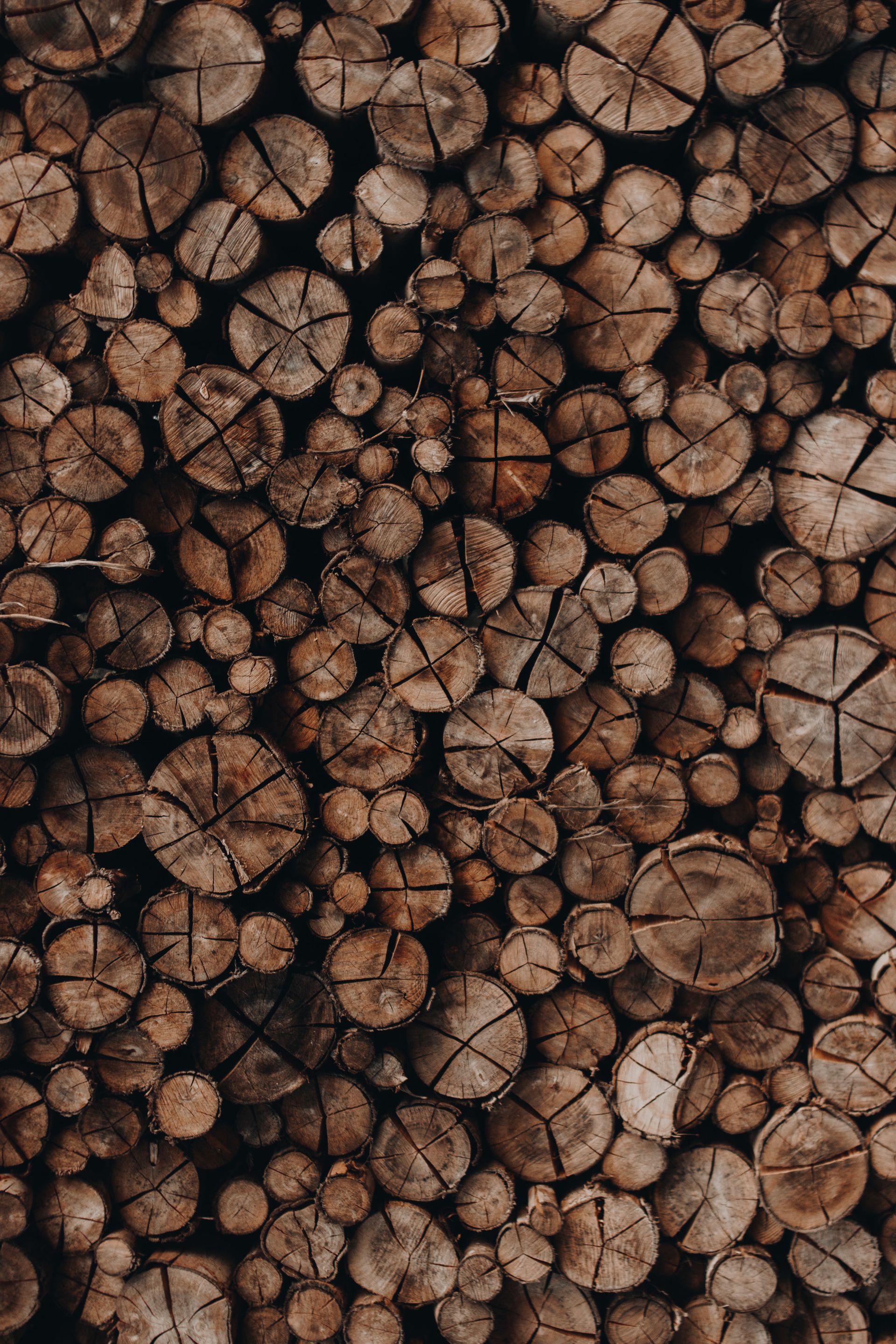
The boards go home to the yard as a boule: each one back in its place, with thin sticks between so air can move. They stay like that for two winters, under a roof.
Then two of them are opened like a book. Boards 09 and 10 touched for 198 years, so each one’s grain is the other’s mirror. That is where the table begins.
No. 0419 T
The table
Two sister boards, bookmatched.
- Size
- 2400 × 1000 × 740 mm
- From
- Boards 09 and 10
- Keys
- Two butterflies in bog oak
- Finish
- Oil and soap, never lacquer
Drag to turn it
The seam. The halves were cut 4 mm apart. Read the grain from the middle outwards: it opens like a page.
Butterfly key. Bog oak, black all the way through after thousands of years in a Jutland marsh.
The edge. Planed by hand to a 3 mm chamfer. Signed and dated underneath by the cabinetmaker.
No. 0419 K
The kitchen
Every front from a single board, in the order it was cut.
- Island
- 2600 × 900 × 1000 mm
- Fronts
- Twelve, all from board 11
- Worktop
- Norwegian soapstone, 40 mm
- Tap
- Unlacquered brass
Drag to turn it
One board. Follow a single ring from the first drawer to the last. The gaps are three millimetres; the grain doesn’t notice them.
Soapstone. Takes a hot pan without complaint and darkens a little each time it’s oiled.
Brass. Left unlacquered, so it goes dark everywhere except where hands go.
No. 0419 C
The chair
Eight of them, from the outer boards, where the grain moves most.
- Size
- 460 × 520 × 820 mm
- From
- Boards 03 and 12
- Joints
- Wedged through-tenons
- Metal
- None
Drag to turn it
Through-tenon. The leg passes right through the seat and is locked with a sliver of bog oak. You’ll see it every time you sit down.
The back. Set at eight degrees, which is where a long dinner stops being a chore.
The feet. No glides. End grain on the floor, sealed with wax, re-waxed once a year.
04 Workshop
Four cabinetmakers. Two houses a year.
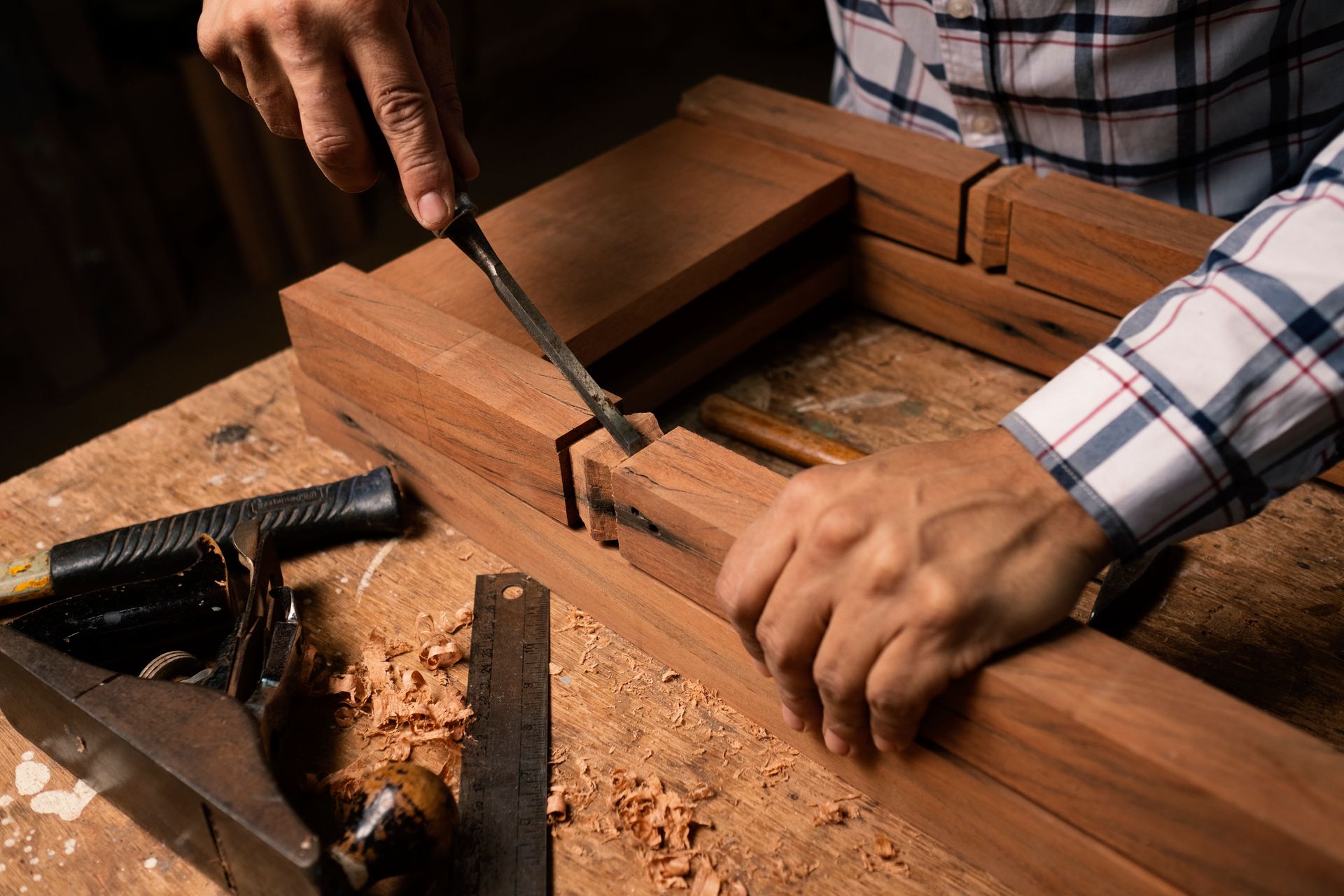
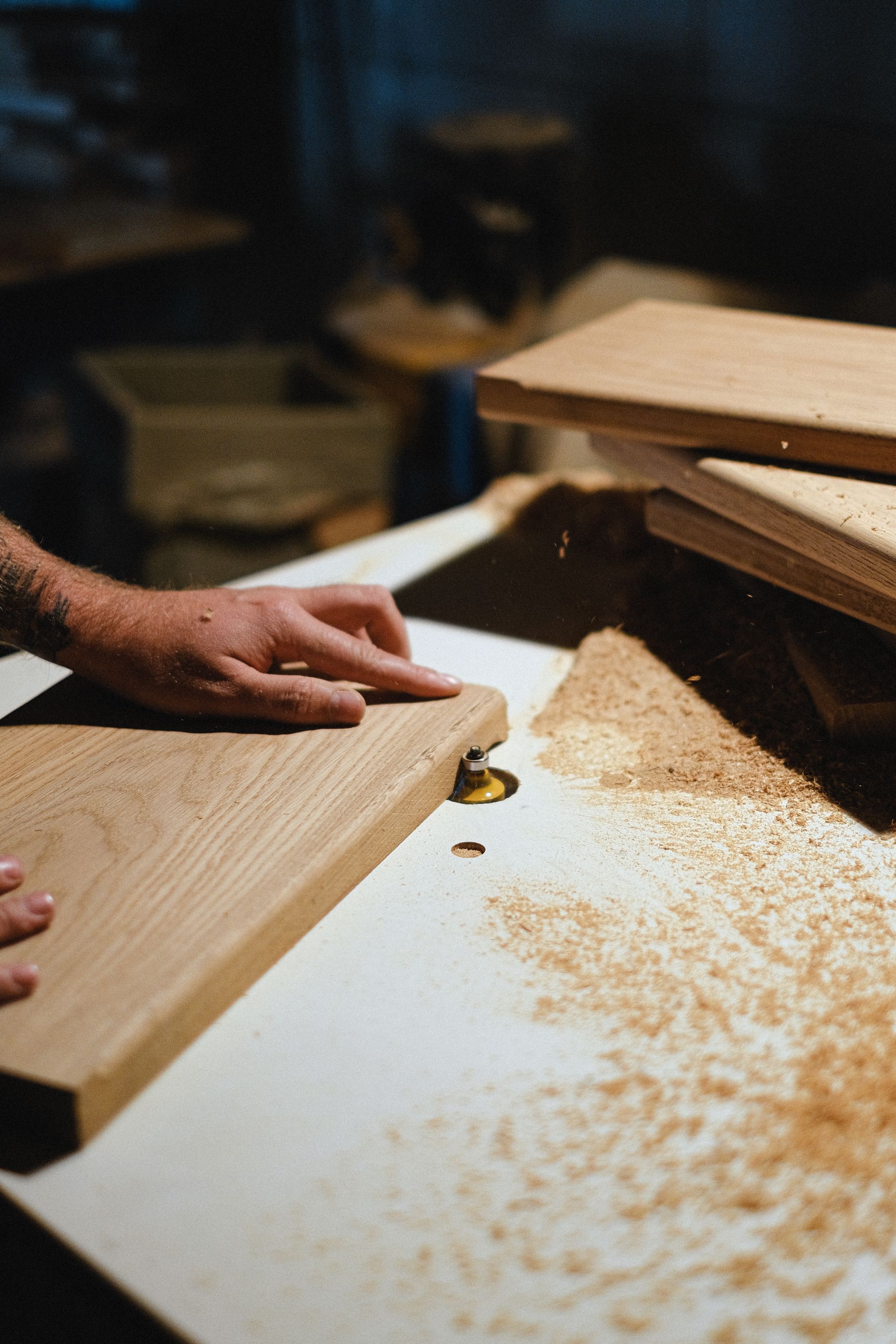
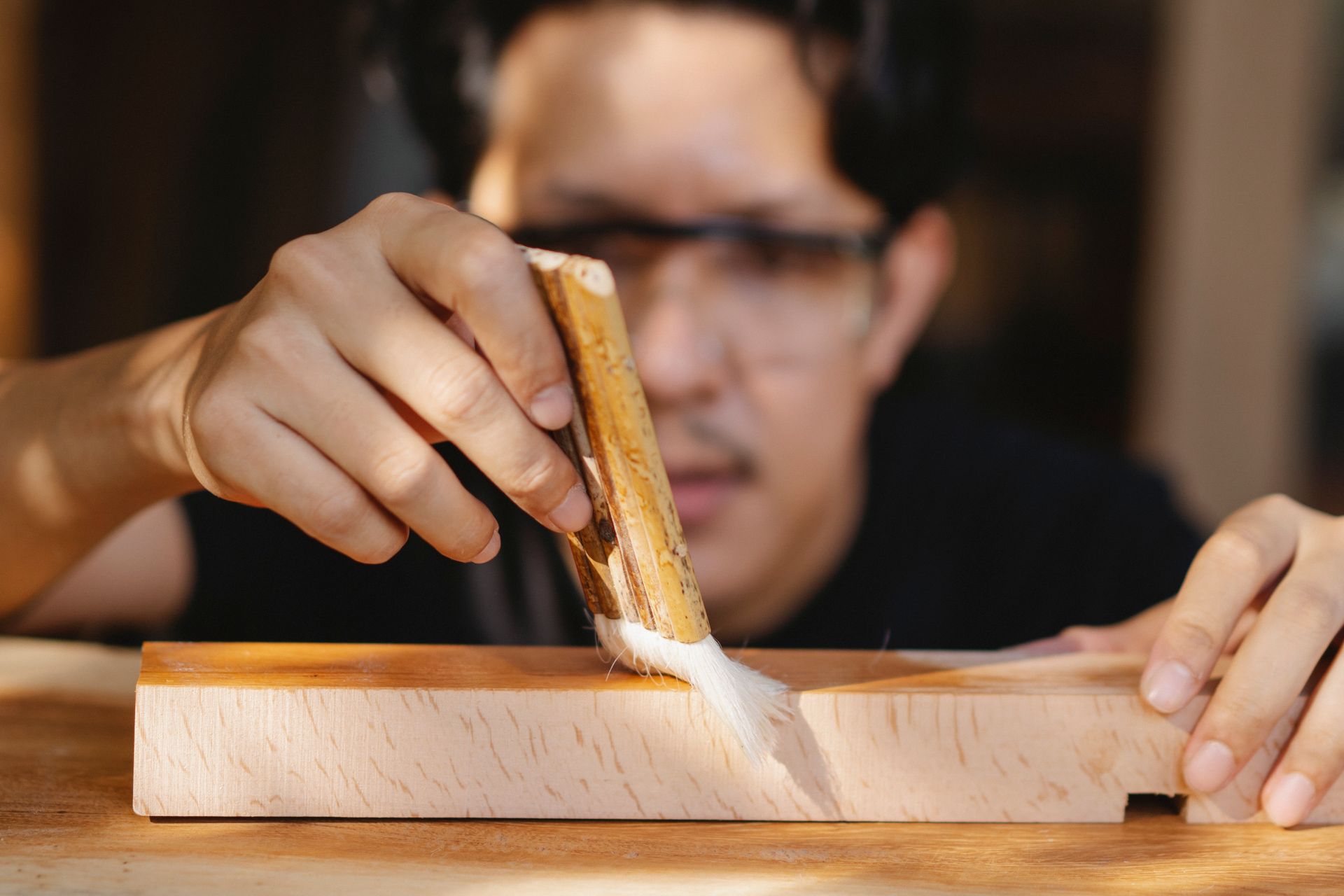
Each commission belongs to one cabinetmaker, from the first cut to the last coat of oil. They sign the underside of every piece they make, and they are the one who comes back when it needs looking after.
- 2,900hours at the bench, give or take a winter
- 14boards, used to the last offcut
- 1name under every piece


05 Materials
What we let near the oak.
- Soapstone From Norway. Soft enough to carve, dense enough for a hot pan. Worktops and sills.
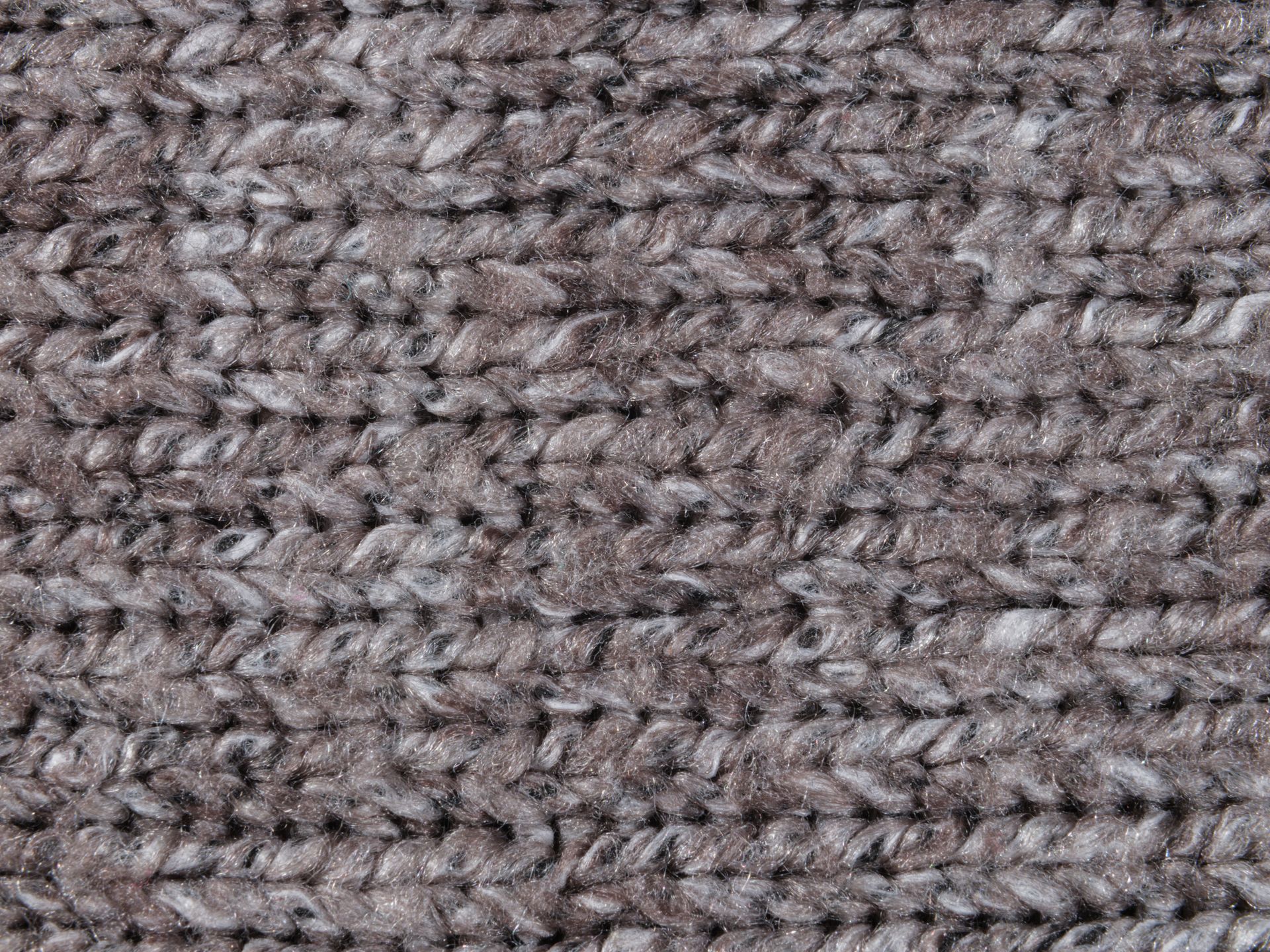
- Wool Danish and undyed, the grey the sheep chose. Seat pads and runners.
- Linen For cushions, and for the cloths we oil every surface with, by hand, three times.
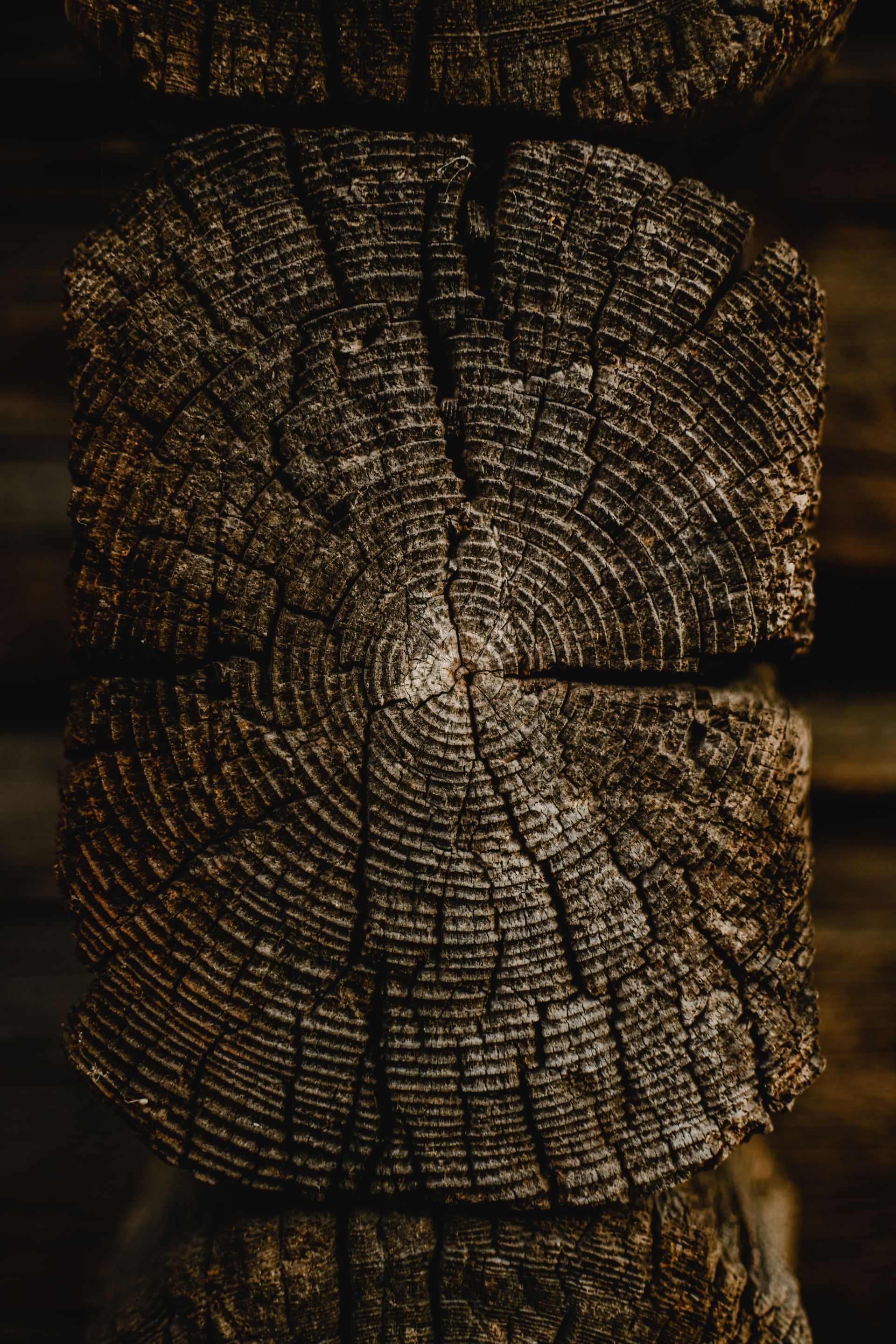
- Bog oak Oak that lay in a marsh for thousands of years and came out black. Only for keys and wedges.
06 Ledger
Every oak is written down.
Where it grew, when it came down, how many rings it had, and whose house it’s in now. These are the last eight.
| No. | Forest | Felled | Rings | House | Now |
|---|---|---|---|---|---|
| 0419 | Gribskov, Nordsjælland | Feb 2025 | 198 | Frederiksberg | Drying |
| 0418 | Rold Skov, Himmerland | Feb 2025 | 176 | Djursholm, Stockholm | Drying |
| 0417 | Almindingen, Bornholm | Feb 2024 | 211 | Hampstead, London | At the bench |
| 0416 | Tranekær, Langeland | Feb 2024 | 164 | Risskov, Aarhus | At the bench |
| 0415 | Gribskov, Nordsjælland | Feb 2023 | 187 | Holmenkollen, Oslo | Home, 2025 |
| 0414 | Silkeborg Vesterskov | Feb 2023 | 158 | Hellerup | Home, 2025 |
| 0413 | Rold Skov, Himmerland | Feb 2022 | 203 | Küsnacht, Zürich | Home, 2024 |
| 0412 | Gribskov, Nordsjælland | Feb 2022 | 192 | Skagen | Home, 2024 |
07 Commission
The tree took two hundred years. We ask for three.
-
November, year one
Walk the forest
You choose the tree with our forester. We reserve it with the forest that grew it.
-
February
Felling
When the sap is down. Come and watch; most people do.
-
March
Sawing
One morning at the mill. The boule comes home to the yard the same afternoon.
-
Two winters
Drying, and drawing
The boards rest in the order they grew. Meanwhile we draw every piece at full size, in your house, with your architect.
-
Year three
Making
One cabinetmaker, about 2,900 hours.
-
Autumn, year three
Fitting
Installed by the person who made it. The offcuts come too, as boards, spoons and a winter of firewood.
08 Questions
What people ask before they walk the forest.
Does it have to be oak?
Ash and elm, occasionally. We keep coming back to oak because it’s stable, it grows here, and it gets better with oil and use. If the tree you’ve fallen for won’t make a good table, we’ll say so in the forest.
What if the tree has a flaw we only find after sawing?
Oaks keep secrets: shakes, old shrapnel, a fence the trunk grew around. We choose a tree with a fifth more timber than the pieces need, and whatever we can’t use in the house becomes something you can use in the kitchen.
Can we buy a single piece?
Now and then a household releases boards from their boule. When that happens we make a small run of tables or chairs from them, and we write to the people on our list first.
We don’t live in Denmark.
Our trees have gone to Stockholm, Oslo, London and Zürich. We still fit everything ourselves, wherever the house is.
What does it cost?
A household commission, meaning kitchen, dining table and eight chairs, begins at DKK 2.8 million. The tree itself is usually less than two percent of that.
Reserve a tree.
Trees for the winter of 2026–27 are chosen in November and felled in February. We take two households each winter, and one of those is already spoken for.
Write to the workshop- Workshop and yard
- Esbønderup, Nordsjælland
By appointment - Showroom
- Bredgade, Copenhagen
Thursday to Saturday, 11–17